Professional Wildlife Removal: Shield Your Home From Unwanted Pests
Proper wildlife removal is critical complete information for homeowners dealing with unwanted animals. Squirrels, raccoons, and skunks are capable of causing considerable damage and presenting health hazards. Spotting evidence of intrusion, like droppings and tracks, is the primary step in handling these situations. Understanding how to secure entry points and employ humane removal techniques can make a difference. Nevertheless, recognizing when to call for professional assistance may be essential to preserving a secure living space. What should homeowners consider next?
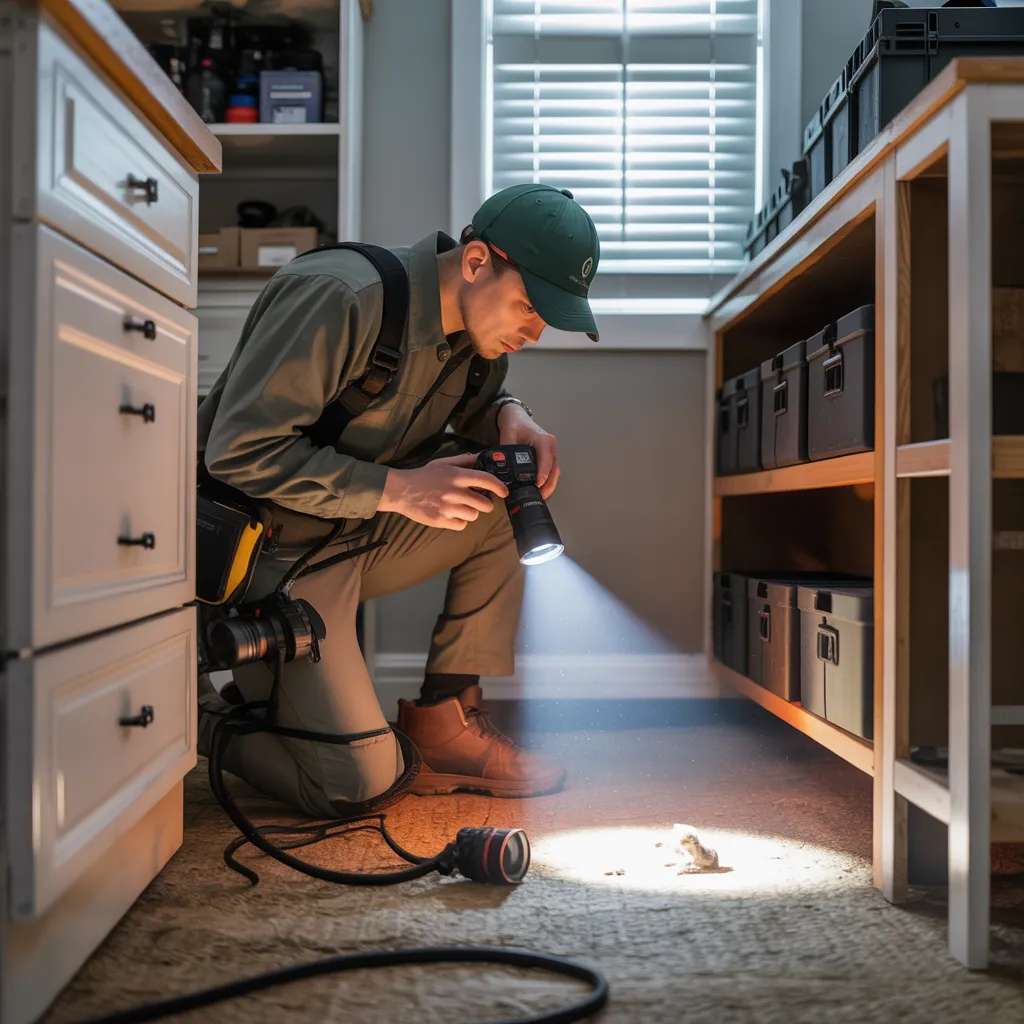
Spot Common Wildlife Pests in Your Locality
How can homeowners effectively identify common wildlife pests in their area? Gaining knowledge of the local environment is essential for homeowners looking to handle wildlife interactions. Local areas frequently shelter numerous pests, such as raccoons, squirrels, and skunks, each displaying unique behaviors and habitats. Property owners ought to acquaint themselves with these creatures' features, including size, coat markings, and common habitats. As an example, raccoons are frequently observed searching through trash, while squirrels tend to make nests in attics or trees.
Exploring local wildlife populations through agricultural extension services or internet resources can offer valuable information. Furthermore, engaging with neighbors can expose collective community experiences and common challenges. Observing seasonal patterns is also essential, as some pests tend to be more prevalent during particular seasons. By developing this awareness, homeowners can proactively address potential wildlife issues before they escalate.
Signs of Wildlife Intrusion: What to Look For
Wildlife infiltration is often identifiable through various important warning signs. Strange sounds after dark, fecal evidence, and footprints can indicate the presence of unwelcome animals. Additionally, destruction of property or insulating materials may also verify their movement throughout the space.
Unexpected Noises At Night
What could be causing those mysterious sounds echoing through the night? Homeowners are often left confused by sounds such as scratching, thumping, or scurrying, which can suggest an animal intrusion. These disturbances commonly arise from animals seeking shelter or food within walls, attics, or crawl spaces. Rodents, raccoons, and squirrels are typical intruders, each generating recognizable sounds that can disrupt your household. Furthermore, the hour at which sounds occur can offer insight into the culprit; creatures of the night become more active once darkness falls. Identifying these sound cues is critical for detecting potential wildlife problems in their early stages. Overlooking strange noises may lead to more extensive damage and costly repairs, underscoring the need for swift evaluation and intervention.
Tracks And Droppings
Droppings and tracks serve as clear indicators of pest presence around a home. Property owners need to stay watchful in recognizing these clues to address potential infestations early. Wildlife feces may differ in dimensions, form, and hue, depending on the species; as an example, raccoon droppings tend to be bigger and include undigested food matter. Prints discovered in soil or dusty surfaces can expose the species involved, with specific markings and measurements assisting in determining the species. For example, the presence of claw marks may indicate a raccoon or a fox. Observing these signs promptly allows for effective wildlife management, minimizing the potential for damage and preserving a safe residential space. Routine checks can assist property owners in keeping track of possible animal presence.
Insulation Or Property Damage
Signs of wildlife intrusion go further than waste and paw prints to include observable destruction to buildings and insulating materials. Residents can detect chew marks on structural beams, walls, or electrical wires, suggesting rodent activity on the property. Damaged insulation, commonly discovered in attics or crawl spaces, serves as another warning sign, as creatures look for materials to nest or sources of food. Furthermore, water damage or mold growth may occur if creatures breach the roof or siding materials, resulting in additional structural complications. Mysterious smells may also arise from concealed spaces, drawing attention to likely nesting areas. Early detection of these warning signs is critical; tackling problems without delay can avert high repair costs and promote a safer residence. Consistent observation of property conditions is key to successful wildlife control.
How to Prevent Wildlife From Entering Your Home
Keeping wildlife out of a home is crucial for maintaining a safe and comfortable living environment. The first step involves sealing entry points; property owners should survey their property for holes, gaps, or crevices in roofs, walls, and foundations. Blocking these entry points with materials such as steel mesh or caulk can prevent animals from gaining access.
Furthermore, maintaining your yard properly is necessary. Keeping vegetation trimmed and storing firewood away from the house reduces the likelihood of attracting pests. Additionally, homeowners ought to control food sources by utilizing sealed trash containers and avoiding leaving pet food outdoors.
Installing screens on windows and vents can further enhance protection. Routinely maintaining gutters and clearing away debris discourages wildlife from nesting. Finally, educating oneself on local wildlife habits can provide valuable insight into potential threats, allowing for proactive measures to be taken. By implementing these strategies, homeowners can greatly reduce the chances of unwanted wildlife intrusions.
Humane Wildlife Removal Techniques
Numerous homeowners dealing with wildlife invasions pursue compassionate removal strategies to guarantee both safety and compassion for the animals involved. These methods prioritize the well-being of the creatures while efficiently managing the situation. One frequently employed approach is the utilization of live traps, which allow for the capture of animals without harm. Once trapped, wildlife can be relocated to a suitable environment far from residential areas.
Another approach involves modifying the habitat, such as eliminating food sources and blocking access points, deterring wildlife from coming back. Additionally, natural repellents can be employed to discourage animals without harming them.
Learning plays a vital role, as a deeper knowledge of animal behavior can result in more efficient and compassionate approaches. Ultimately, ethical wildlife removal methods demonstrate a dedication to living in harmony, striking a balance between the requirements of homeowners and consideration for native wildlife.
Essential Safety Guidelines When Dealing With Wildlife
When coming across animals in the wild, it is crucial to maintain composure and assess the situation carefully. Observing the animal from a reasonable distance helps in understanding its intentions and behavior. Any direct contact must always be avoided to guarantee both personal safety and the well-being of the animal.
Remain Calm And Watch
Encountering wildlife can be an unexpectedly thrilling experience, but it also requires a careful approach to ensure safety for both the observer and the animal. Staying composed is crucial; sudden movements or loud noises can startle the creature, potentially leading to unforeseen responses. Onlookers should preserve an appropriate distance, using optical equipment or photography gear to observe the creature without encroaching on its territory. It is important to calmly analyze the scenario, observing the creature's actions and environment. Such mindfulness can help determine whether a danger exists. Understanding the natural habits and characteristics of the wildlife can further enhance observation while minimizing risk. By doing so, people can appreciate the experience while protecting themselves and the wildlife.
Refrain from Direct Contact
Keeping a safe distance from wildlife is crucial to ensure both personal safety and the welfare of the animal. Direct interaction can trigger stress and defensive reactions in wildlife, resulting in potential harm to both parties. It is important to remember that wild animals can carry diseases, such as rabies, which pose serious health risks. Everyone should abstain from feeding or reaching out to touch wildlife, since this can disturb their natural patterns and encourage dependence on human contact. When an encounter happens, bystanders should keep calm and carefully move away, being careful not to corner the creature. In cases of ongoing wildlife activity, reaching out to professional wildlife removal experts is recommended to handle the matter safely and humanely.
When to Call a Professional for Wildlife Removal
Determining the right moment to contact an expert for wildlife control can be crucial for both effectiveness and safety. Residents should contact professional help when they encounter wildlife creatures that present health hazards, such as bats, raccoons, or skunks. These animals can carry diseases and can become aggressive when provoked. Moreover, if wildlife has entered living areas, professional help is essential to protect against structural damage and potential health dangers.
An additional situation that calls for expert assistance is when the animal is raising its young or has established a nest. This adds complexity to removal attempts and elevates the danger of harm. Moreover, if a homeowner is unfamiliar with the legal requirements surrounding wildlife, experts can provide guidance on humane removal methods and local laws. In the end, recognizing the signs of a serious infestation or danger can help guarantee a safe and effective resolution to wildlife issues.
Questions We Often Receive
What Legal Guidelines Apply to Wildlife Removal in My Area?
Legal requirements for wildlife removal vary by region, typically governed by local wildlife management agencies. Homeowners should consult these authorities to understand permits, restrictions, and humane practices necessary for managing and relocating wildlife within their jurisdiction.
Can Wildlife Return After Removal, and How Can I Prevent It?
Animals can return after eviction if entry points are not sealed. To stop them from returning, one must find and close off potential access areas, get rid of anything that draws them in, and explore landscape changes around the property to discourage further visits.
What Are the Fees Associated With Professional Wildlife Removal Services?
Costs for wildlife removal professionals typically range from $200 to $2,500, depending on factors like the kind of animal, scale of the problem, and geographic location. Additional costs may be incurred for damage repairs or preventive treatments.
How Can I Tell What Kind of Wildlife Is Living in My Attic or Basement?
To identify wildlife in attics or basements, one should be aware of telling signs: nests, droppings, nighttime noises, and harm to insulation or wiring. Recognizing these indicators helps determine the type of animal present.
Do Any DIY Approaches Work Effectively for Wildlife Prevention?
DIY methods for keeping wildlife away include sealing entry points, applying natural deterrents such as peppermint oil, and setting up motion-sensor lighting. These strategies can deter animals from approaching homes without harming the animals.